Meditation can seem daunting if you have never tried it before. It really isn’t! Meditation exists in many different forms and the key is, you find a meditation that works best for you.
Getting started with meditation
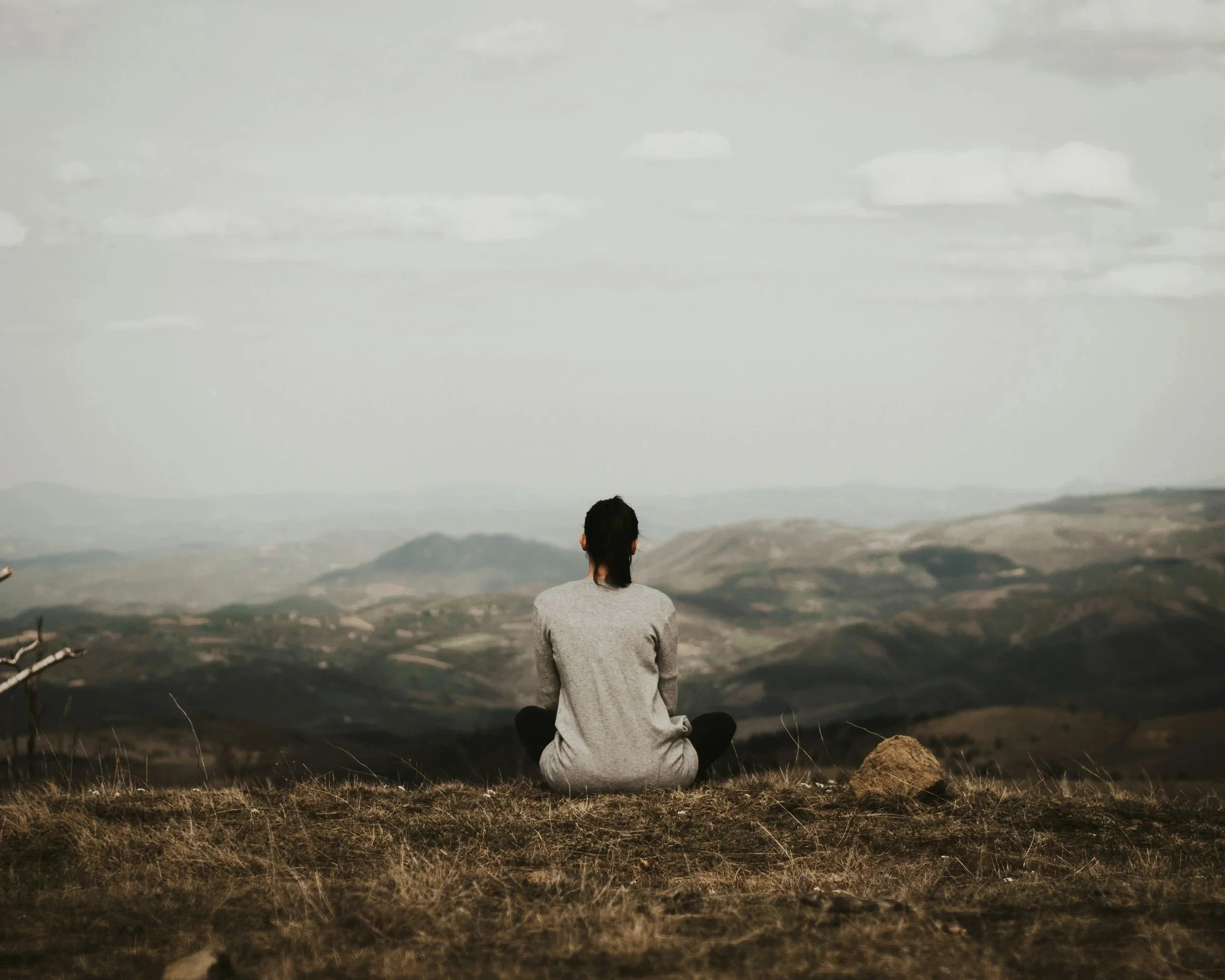
Meditation is a practise design to calm the mind, cultivate awareness and foster emotional balance. It’s main benefits include reducing stress, improving focus, enhancing emotional regulation, support overall mental and physical well-being.
Meditation helps to quieten mental chatter and brings focus to the present moment. By grounding attention, meditation supports resilience against stress and helps navigate challenges more smoothly.
Meditation is rooted in many traditions but it can be practised by anyone. The key is to build a practise that works for you. There are some principles to follow, to ensure you gain most benefit but try to avoid thinking ‘am I doing it right’! With practise and repetition you will shape a powerful tool in combating stress.
One of the main reasons people meditation is that it lowers cortisol and helps restore calm. Cortisol is the stress response hormone, it is released by the adrenal glands during stress which fuels the ‘fight or flight’ response. When cortisol levels remain high for too long, you are at risk of high blood pressure and heart disease. Cortisol also promotes fat storage around the abdomen and in turn increases the risk of type 2 diabetes. Prolonged high levels of cortisol can be attributed to a long list of mental health conditions such as anxiety, depression, mood swings and brain fog! It can even interfere with deep rest, worsening fatigue. Cortisol does play an essential role, but meditation will help you in protecting your heart, brain and emotional well-being by keeping it at healthy levels.
By drawing your focus to the present moment your natural tendencies to drift to the future or past are better managed. Instead of worrying about tomorrow or what you need to do by Friday, meditation helps you to ‘be’ in the now.
Meditation can also enhance memory, attention and creativity. It can help you to manage impulses and foster more thoughtful responses.
Long-term, practice may contribute to healthier ageing, better sleep and improved overall quality of life.
You don’t need to wear anything in particular, lose comfy clothes are ideal. Find a space you feel at ease, safe and comfortable in, this will give you the best chance of getting the best from your practice. There are a few ‘types’ of meditation for you to explore. Our 14 day guide includes Focused, body scan and mindfulness. Take time to explore until you find something that works for you!
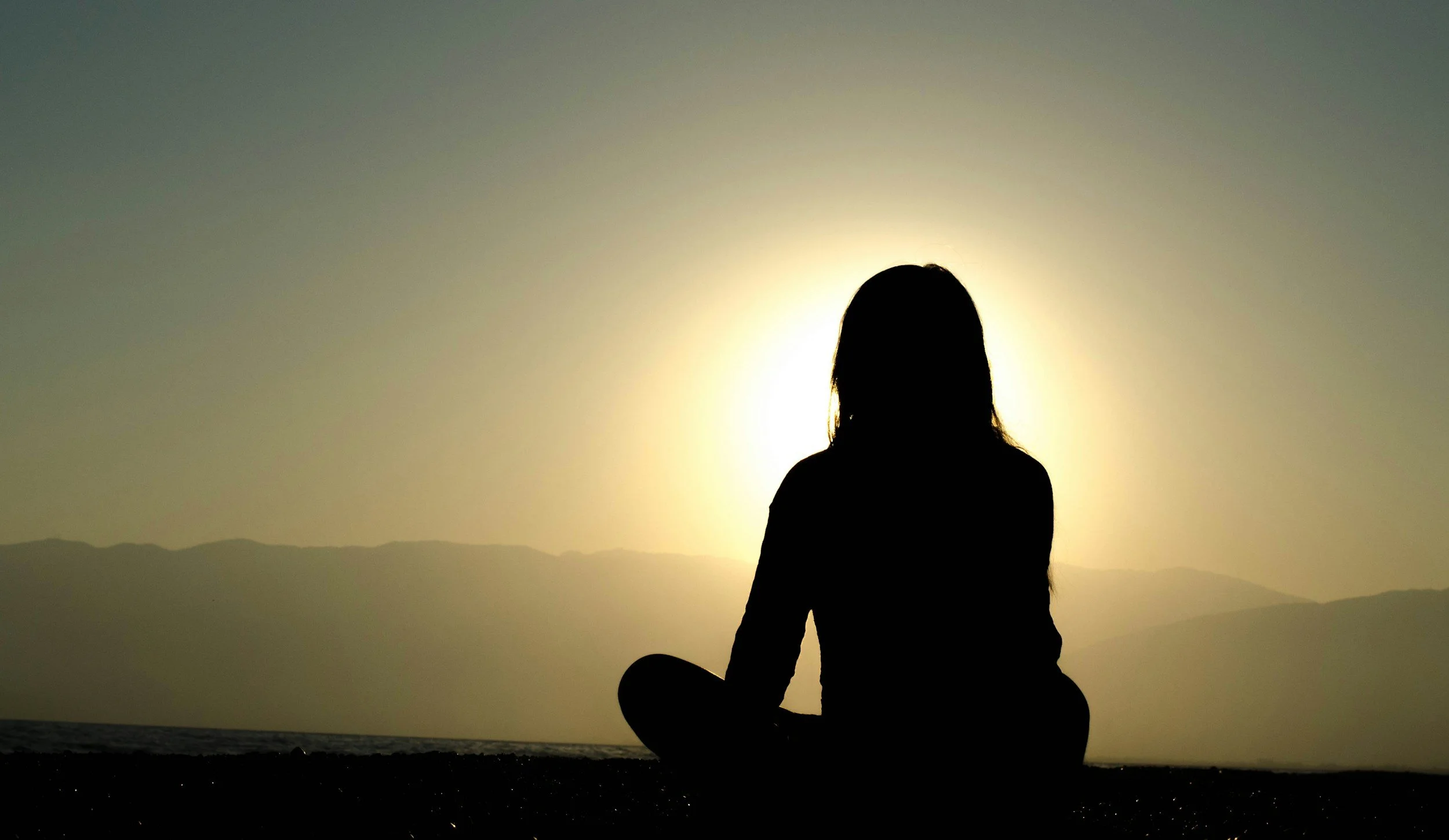
Focused meditation is meditation using a focus to anchor yourself if you find your mind wandering. We find using our Roller Blends is unobtrusive way do do this. Here is a gentle guide to support you:
Step 1
Sit yourself on a comfortable surface. Take the lotus position if you can. This means sitting in a cross leg position within your knees gently resting open. Lay your hands on your knees with a straight spine. (If mobility is a challenge, using a straight back chair is a great alternative).
Step 2
Use your roller blend on your pulse points and take 3 deep inhales.
Step 3
With your eyes closed, continue to focus on the scent. Gently let go of any thoughts of the past or the future. Observe them but allow them to pass. Focus on your breathing and allow yourself to be totally in the present. Be aware of your own presence and resist indulging any fleeting thoughts, Use your scent whenever you feel your mind drifting.
Step 4
When you feel you have reached the end of your sitting, (initially start with 5 mins or so and gradually progress to 20 mins). Slowly open your eyes, re orientate with the room and slowly stand up.

Body scan meditation is about being in the present and fully focused on your physicality. Observing all sensations and connection. This technique draws your attention away from a busy mind and brings you into the present. Here is a gentle guide:
Step 1
Sit yourself on a comfortable surface. Take the lotus position if you can. This means sitting in a cross leg position within your knees gently resting open. Lay your hands on your knees with a straight spine. (If mobility is a challenge, using a straight back chair is a great alternative).
Step 2
Use your roller blend on your pulse points and take 3 deep inhales.
Step 3
With your eyes closed, start by concentrating on your thoughts on your feet. Consider what they feel like, what are the sensations?Tired? warm?. Slowly progress your focus to your lower leg, how do they feel? Continue this process to your upper legs, body, arms, hands and fingers. Finally through your spine, into your neck, eyes, ears and scalp. Exploring all sensations.
Step 4
As you finish your scan, slowly open your eyes and re-centre yourself in the room. Slowly stand up.

Mindfulness is the nature of being aware of your thoughts and experiences. This can be practised in the seated position but equally I find it very effective when I am exploring outside.
Step 1
As you prepare for a walk, Use your roller blend on your pulse points and take 3 deep inhales.
Step 2
As you walk, be aware of your physical presence. Listen to how your body feels. Observe your thoughts but let them pass. Think about how the light is reflecting on your face. How the wind is touching your skin. What can you smell? What can you hear? Focus on each of your senses. If you find your mind wondering, re-use your scent roller. Deeply inhale 3 times and re-immerse into the moment.
This ritual can be done anywhere, it’s a great tool for your toolkit because it is so versatile.
“Meditation is a practise design to calm the mind, cultivate awareness and foster emotional balance”
Power of scent:
By including our roller scents in your meditation rituals, you begin to trigger memory through scent. this means that after some practice, you will be able to trigger your mind to take you back to that wonderfully calm moment in your practice- just when you need it most (without needing to roll out your mat!! genius!)